Creating a game with the OpenCode Coding Agent
Introduction
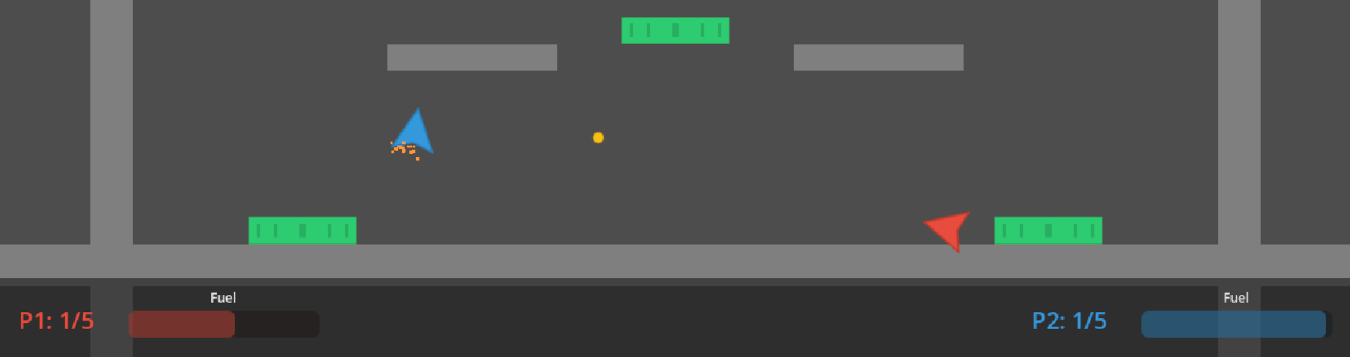
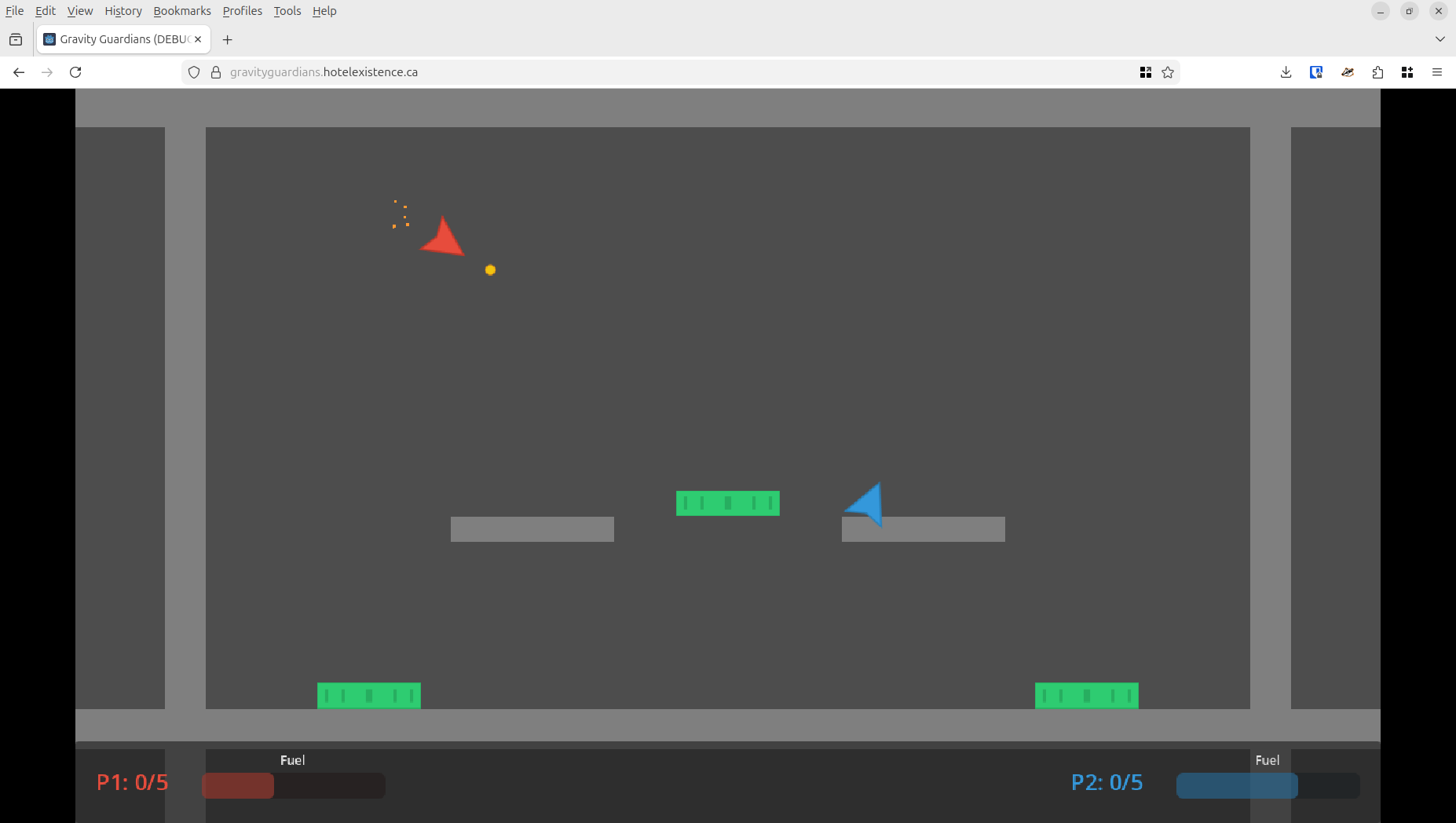
I was looking to spend some time to get a feeling for the current state of AI/LLM software development tools, and decided to try building a simple game using the OpenCode agent connected to the Claude Sonnet 4.5 LLM. I set out to build a 2 player lunar lander type game in the Godot game engine. I had never used Godot before.
The Build
Using OpenCode is a bit different from asking LLMs/ChatGPT to write code snippets. There is a plan mode and a build mode.
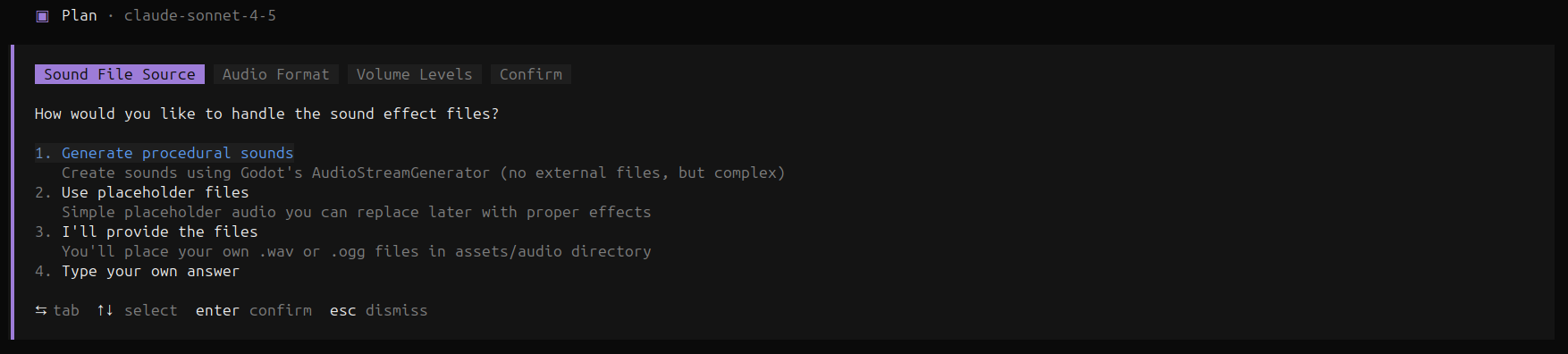
I started in plan mode, describing my recollection of Gravity Force 2 on the Amiga - see Wikipedia, Internet Archive - playable, home page with source and binaries and one of many YouTube videos. I indicated I wanted this built for the Godot game engine. OpenCode would ask clarifying questions, like “What should happen when a ship hits the wall?”, and “What happens when a ship runs out of fuel?”, generally presenting me with several options. After I answered the clarifying questions, it defined a list of everything it had to do next in a todo / build plan.
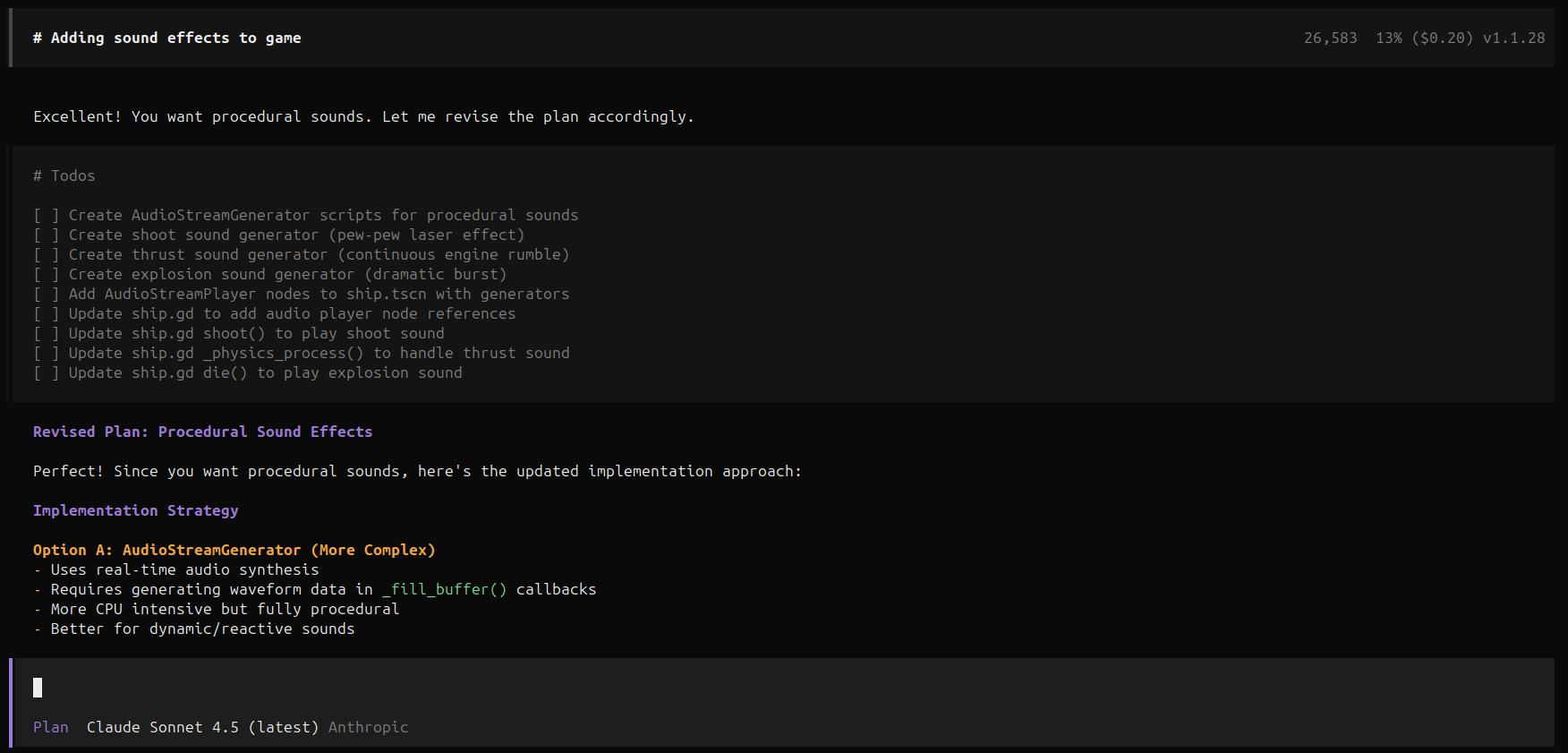
If the plan wasn’t what I wanted, I had the opportunity to make changes. Once I was pleased with the plan, I proceeded to ‘build mode’ and OpenCode started the build.
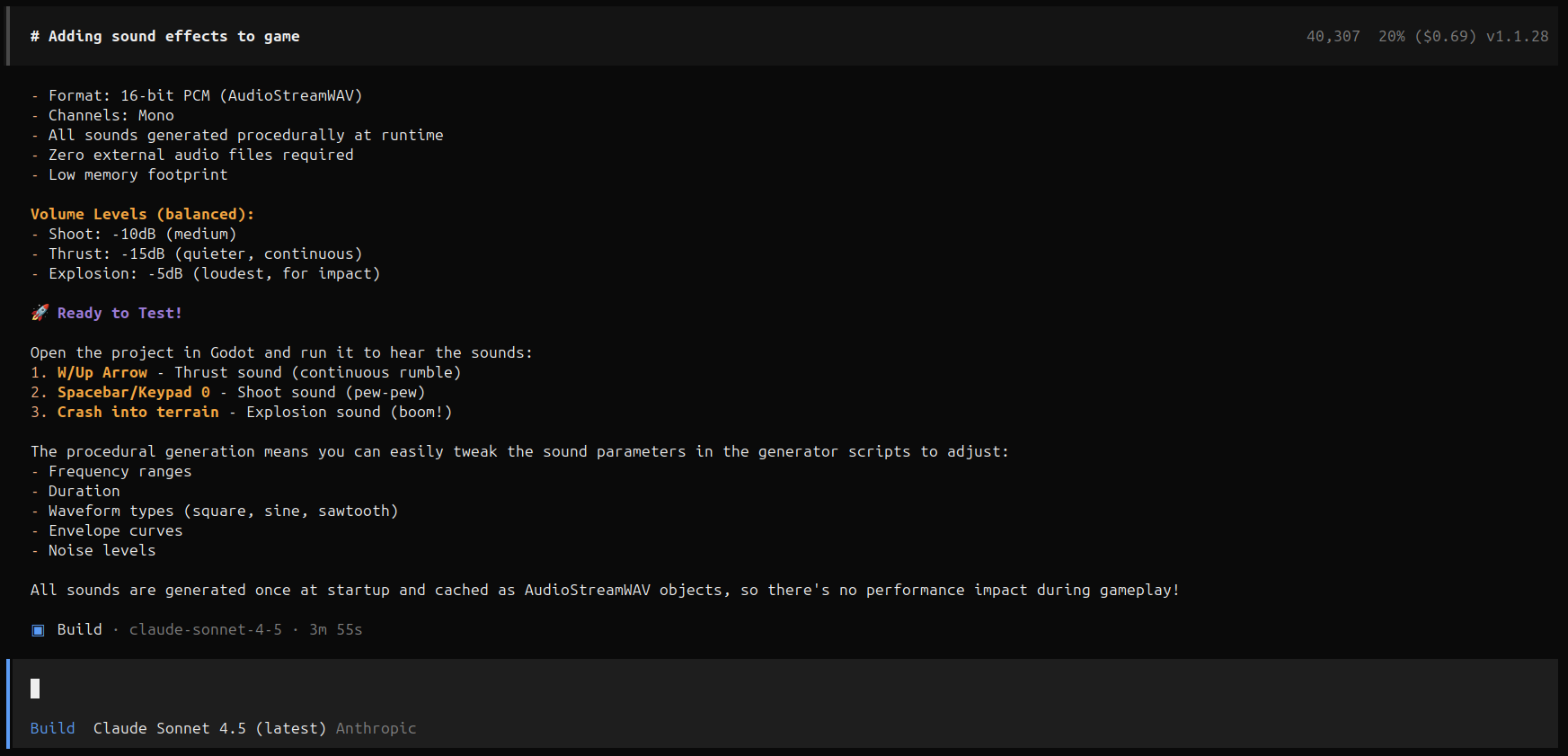
When it was done, I opened the project in Godot. The first revision wouldn’t build, and I got an error message. I pasted the error message into OpenCode, and it fixed it - it looked like a casting error. After that fix, I could get the game to run, but the ships didn’t generate enough thrust to take off. I prompted it to fix the thrust issue, then the ships could take off, but the steering still didn’t work. I described the steering control issue, and it fixed it. I spent some more time refining it - I added the concept of fuel, 5 kills to win, and a splash screen with instructions.
After a few hours and $23 worth of LLM tokens, I had a playable game. You can play it online here (desktop/keyboard only): Gravity Guardians
My Experience
This process worked pretty well for me. I’m a hobbyist developer - I might code for a few hours a month - and it would have taken me much longer to build this myself. Tools like this will enable me to do things I wouldn’t be able to do otherwise.
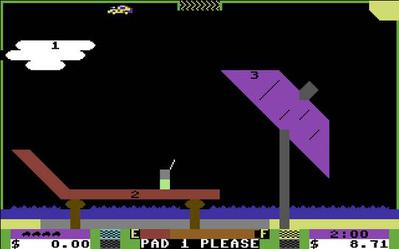
When I shared this game with friends, they remarked how it reminded them of Space Taxi on the Commodore 64. I loaded Space Taxi onto a C64 emulator and tried it. Space Taxi is super fun, the mechanics are pretty good, and the level design is excellent. There are voice samples (“Hey Taxi!”), pretty novel for its time (1984), that are used to good effect. Space Taxi is simple, and a good illustration that building out the mechanics of Gravity Guardians is really just the beginning for even a basic game. Could OpenCode design interesting levels? I don’t know, this is something I still have to try.
That building a game like this cost $23 worth of tokens is interesting. On one hand, there’s no way anyone would build this game for me for $23 - this is pretty cheap. On the other hand - that’s not free. This is a very limited project - it suggests anything complex would cost much more. If I were working on a project full time, that would work out to about $400 a week - if I were self-funding a project, that’s a significant expense. But if I had a company with funding and productivity gains allowed me to build my product with fewer paid developers, that’s a massive savings.
For this project, I just leveraged Anthropic’s pay-per-use API, but it would be interesting to try “Pro” plans to see how the experience/cost compares. And it would also be interesting to try both cheaper and more expensive models. Could I have accomplished something similar running a small model on my GPU? I don’t think so - but it might be interesting to try.
Online, I read accounts of people using these tools professionally, but, as of January 2026, everyone I speak with who work on large, established code bases seem underwhelmed with these tools, and don’t feel they help with their day-to-day work. I found this study interesting: Measuring the Impact of Early-2025 AI on Experienced Open-Source Developer Productivity - it studied the impact of AI tooling on actual vs perceived development time. They found that for experienced professionals, a 20% speedup was estimated and perceived, but tasks were completed 20% slower than a control group that didn’t use the AI tools. Caveats: tools improve, and not everyone is an experienced developer with knowledge of their code base.
I have received AI generated pull requests on a few small projects I host on Github. If these pull requests are representative of the code that’s being developed by AI/LLMs, I don’t see how this work can scale, and I can see the challenges that developers working on large code bases are facing - I see small functional changes rewriting significant blocks of code, which would be very challenging read, merge and test.
Game and Source
Play the game: Gravity Guardians
Full source: https://github.com/raudette/gravityguardians